
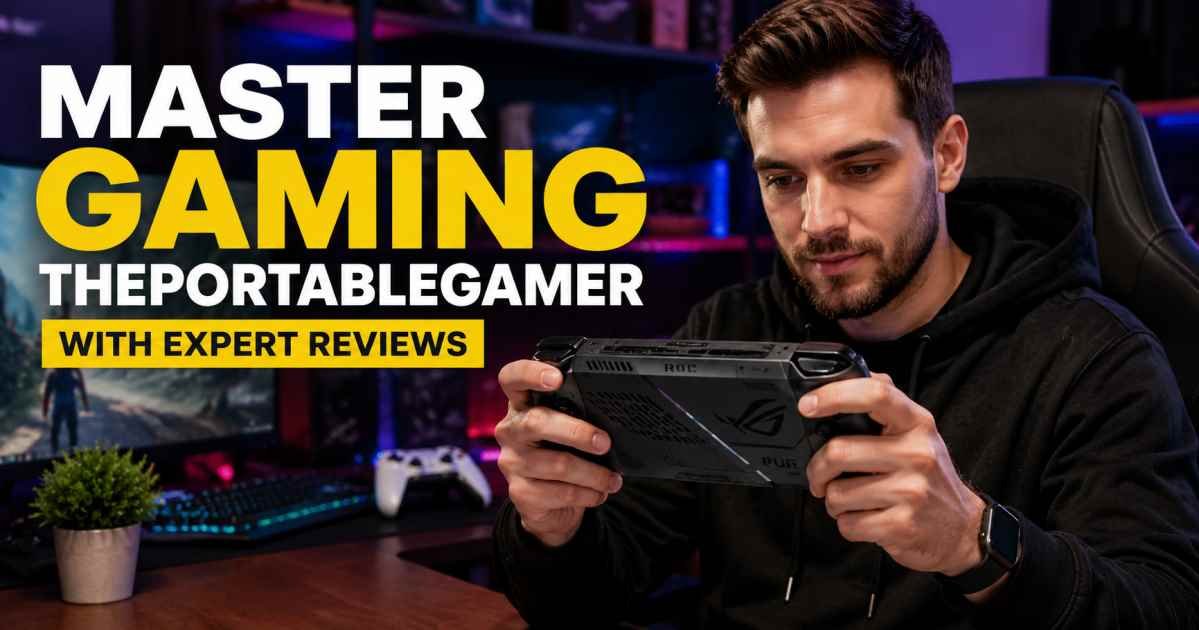

Portable entertainment systems have undergone a complete transformation over recent decades as modern players demand desktop-level performance in compact form factors. Embracing gaming theportablegamer allows enthusiasts to experience high-performance play without being tied to a physical desk or traditional console setup.
I have observed how diving into gaming theportablegamer changes expectations for players globally by delivering seamless frame rates and gorgeous visuals on mobile screens. Handheld systems now access entire digital libraries instantly, proving that premium experiences no longer require massive desktop hardware setups.
Understanding The Portable Gamer Philosophy
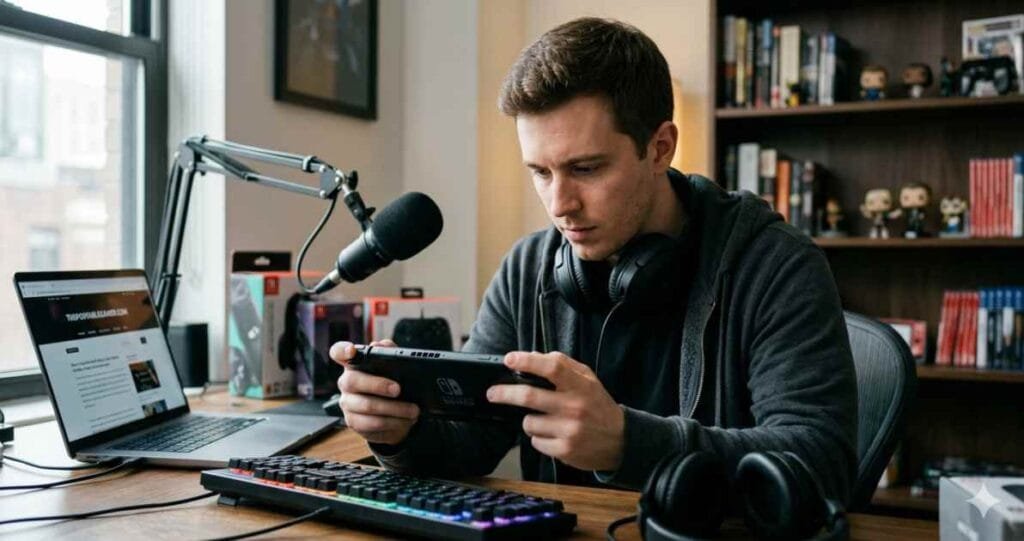
Embracing mobile play is more than just owning a compact device; it represents a completely unique approach to digital lifestyle management. This mindset prioritizes flexibility, immediate access, and spatial freedom over being locked to a single desk or television screen. Players who adopt this style value the ability to suspend a massive adventure instantly and resume it during a brief afternoon break. The community surrounding theportablegamer com emphasizes maximizing small windows of free time without sacrificing the depth of the overall experience. By shifting away from rigid setups, enthusiasts find that their hobby blends naturally into daily commutes, travel itineraries, and casual home environments. This approach turns every quiet moment into a potential window for high-quality immersion, making entertainment truly fluid.
Core Pillars Of The Ultimate Portable Gaming Setup
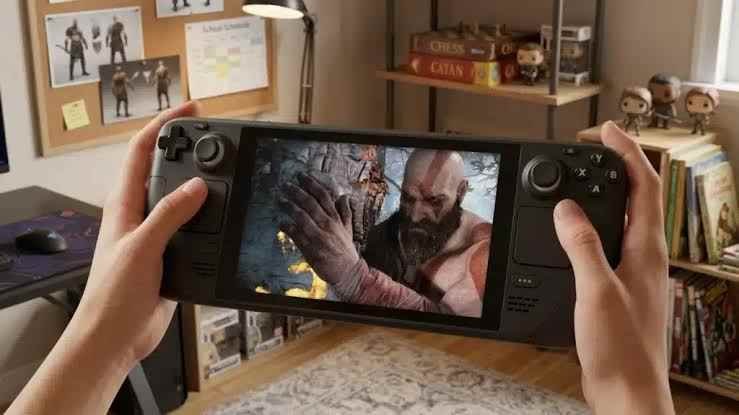
Building an exceptional mobile ecosystem requires balancing multiple critical factors to ensure smooth operation anywhere. Relying entirely on raw computing power without considering physical comfort or battery longevity will quickly ruin an outdoor session. I have spent countless hours testing hardware in real-world scenarios to isolate exactly what makes an on-the-go setup truly successful. The entire experience relies on harmony between weight, display clarity, thermal management, and accessory integration.
| Technical Pillar | Critical Impact On Mobile Play | Target Specification For Success |
| Power Efficiency | Dictates total session length without wall outlets | 40 to 50 watt-hour minimum battery capacity |
| Ergonomic Design | Prevents hand fatigue during extended sessions | Textured grips with a weight under 650 grams |
| Display Technology | Ensures visibility under harsh outdoor sunlight | High refresh rate panel with 500 nits brightness |
| Storage Architecture | Controls loading speeds and total game library size | NVMe PCIe Gen 4 Solid State Drive |
Expert Reviews 1 The Best Portable Gaming Devices Evaluated
Navigating the crowded marketplace requires a clear understanding of what each major platform offers. Hardware manufacturers have taken vastly different approaches, ranging from custom streamlined operating systems to raw handheld desktop architecture. When analyzing options for gaming theportablegamer, buyers must weigh out the balance between raw frame rates and overall battery life.
Steam Deck OLED
This device stands out as the most balanced option for the vast majority of mobile players. The inclusion of a brilliant screen delivers perfect black levels and incredible vibrant color contrast, making indie titles and AAA blockbusters look phenomenal. By using a customized Linux operating system, it provides a console-like user interface that hides complex background processes while maintaining extensive compatibility with PC libraries. The optimized power consumption ensures that the device runs cool and quiet compared to its direct Windows competitors.
ASUS ROG Ally X
For players demanding the absolute highest frame rates and seamless access to alternative digital storefronts like Xbox Game Pass and the Epic Games Store, this Windows-based system delivers immense raw performance. The updated internal components provide a significant boost to memory capacity and battery life compared to the original model. It effortlessly runs modern, graphics-intensive titles at higher resolutions, though users must navigate a standard desktop interface that occasionally requires fine-tuning and regular driver updates.
Nintendo Switch OLED
While this hardware is older than PC focused handhelds, it remains a dominant force due to its exclusive software catalog and seamless hybrid functionality. The lightweight body and exceptional standby power efficiency make it a perfect travel companion. It excels at local multiplayer setups and instant, pick-up-and-play experiences, offering a highly polished ecosystem where software is perfectly tailored to the exact physical limitations of the chipsets.
How To Optimize Your Portable Gaming Experience
Owning premium hardware is only half the battle; proper software optimization drastically alters performance and battery life. Windows and Linux handhelds offer deep customization options that let users stretch a two-hour battery life into a four-hour session with minimal visual degradation. Managing internal system settings is the easiest way to ensure smooth frame rates during critical moments.
- Implement Frame Rate Caps: Locking your display to 45 frames per second instead of 60 drastically reduces the graphics processor’s workload, lowering heat output and saving significant battery life.
- Adjust Thermal Design Power: Lower the total system wattage manually when playing visually simple independent titles or emulating retro platforms to keep the internal fans silent.
- Utilize Resolution Upscaling: Activate built-in upscaling technologies to render titles at lower internal resolutions, then sharpen them to fit your native screen size.
- Manage Background Processes: Close unnecessary applications, disable constant cloud syncing during active gameplay, and turn off wireless connections when enjoying single-player campaigns offline.
Comprehensive Buying Guide 1: Choosing Your Perfect Device
Selecting the ideal platform depends heavily on your existing digital library and where you plan to play most frequently. If you already have a massive collection of computer titles, choosing an open-ecosystem device saves you from having to purchase your favorite adventures a second time. Travelers who spend long periods on airplanes should prioritize battery capacity and offline verification capabilities over raw graphical performance.
Consider the unit’s physical dimensions and weight as well, as a heavy handheld can cause wrist strain during extended sessions. Look closely at ecosystem support: some platforms receive frequent official firmware updates, while others rely heavily on community modifications to fix bugs. Balancing your personal budget with the cost of essential accessories, such as protective carrying cases and high-speed storage expansion cards, will ensure long-term satisfaction with your investment.
The Future Of Portable Gaming 1 What To Expect Next
The trajectory of mobile entertainment points toward incredible advancements in silicon efficiency and display mechanics. Future generations of processors will deliver desktop-quality performance at a fraction of current power consumption, eliminating the need for heavy internal cooling systems. This technological shift will allow devices to become significantly thinner, lighter, and more comfortable to hold for hours at a time.
Solid-state battery breakthroughs are poised to double current session lengths without adding bulk to the chassis. Furthermore, cloud infrastructure integration will continue to mature, enabling lightweight systems to flawlessly stream next-generation environments that are incredibly demanding over high-speed mobile networks. The boundary between home systems and mobile devices is fading away completely, creating a unified ecosystem where your progress transfers seamlessly between screens.
Frequently Asked Questions About Gaming Theportablegamer
What is the average battery life for modern AAA handheld devices?
Most high-performance handhelds last between 1.5 and 3 hours when running highly demanding modern graphical titles at full settings. Lowering system wattage, lowering brightness, and capping frame rates can extend this duration up to 5 or 6 hours when playing less demanding independent titles.
Can I expand the internal storage of my mobile platform?
Yes, the vast majority of modern systems allow storage expansion via high-speed MicroSD card slots or by directly replacing the internal solid-state drive with a larger-capacity drive. Upgrading storage ensures you can run multiple large-file installations simultaneously.
Is an active internet connection required to use these devices?
An active internet connection is generally needed for initial game downloads, software updates, and cloud save synchronization. However, most platforms feature dedicated offline modes that let you play installed single-player campaigns anywhere, even without an internet connection.
Final Thoughts: Take Control Of Your Portable Gaming Journey
The modern era offers unprecedented freedom to enjoy premium interactive entertainment wherever life takes you. By understanding the distinct balance between raw system specifications, ergonomic comfort, and software optimization, you can easily build a configuration that fits your specific lifestyle. Keeping up with platforms like theportablegamer provides the necessary insights to make smart hardware purchases and software adjustments.
I look forward to seeing how these impressive technologies continue to evolve over the coming years. Making informed choices today ensures your mobile entertainment setup remains powerful, reliable, and deeply enjoyable for all your future adventures.





[…] is a unique digital entry often discussed within gaming circles for its high performance expectations. While some confusion exists regarding its nature, the mopfell78 version pc release represents a […]